DSGNJAVA
Designing Beyond Function:
Creating Experiences That Build Meaning
August 14, 2025
Designing Meaning.
A Deep Dive into Experience Design
Introduction
In the past few decades, design has undergone a quiet but profound revolution. Once focused on crafting beautiful objects, efficient systems, or intuitive interfaces, the discipline has, in the last decade or more, expanded its purpose to design experiences. This evolution reflects a deeper shift in how people relate to the world around them: we no longer seek just products or services, but moments that move us, connections that matter, and stories that stay with us.
In this context, Experience Design (XD) stands at the intersection of design, psychology, storytelling, and human behavior. It is a way of thinking that moves beyond aesthetics or utility and into the realm of meaning - how something makes us feel, remember, and connect. At its core, Experience Design asks: What does this interaction mean to the person experiencing it?
Few thinkers have articulated this better than Nathan Shedroff, one of the pioneers of Experience Design. His work bridges the rational and emotional, offering a structured yet humanistic approach to creating meaning through design. In his seminal book Experience Design, Shedroff reframes how we think about interaction, urging designers to look beyond usability and functionality toward rich, multi-sensory, emotionally resonant experiences that engage people deeply.
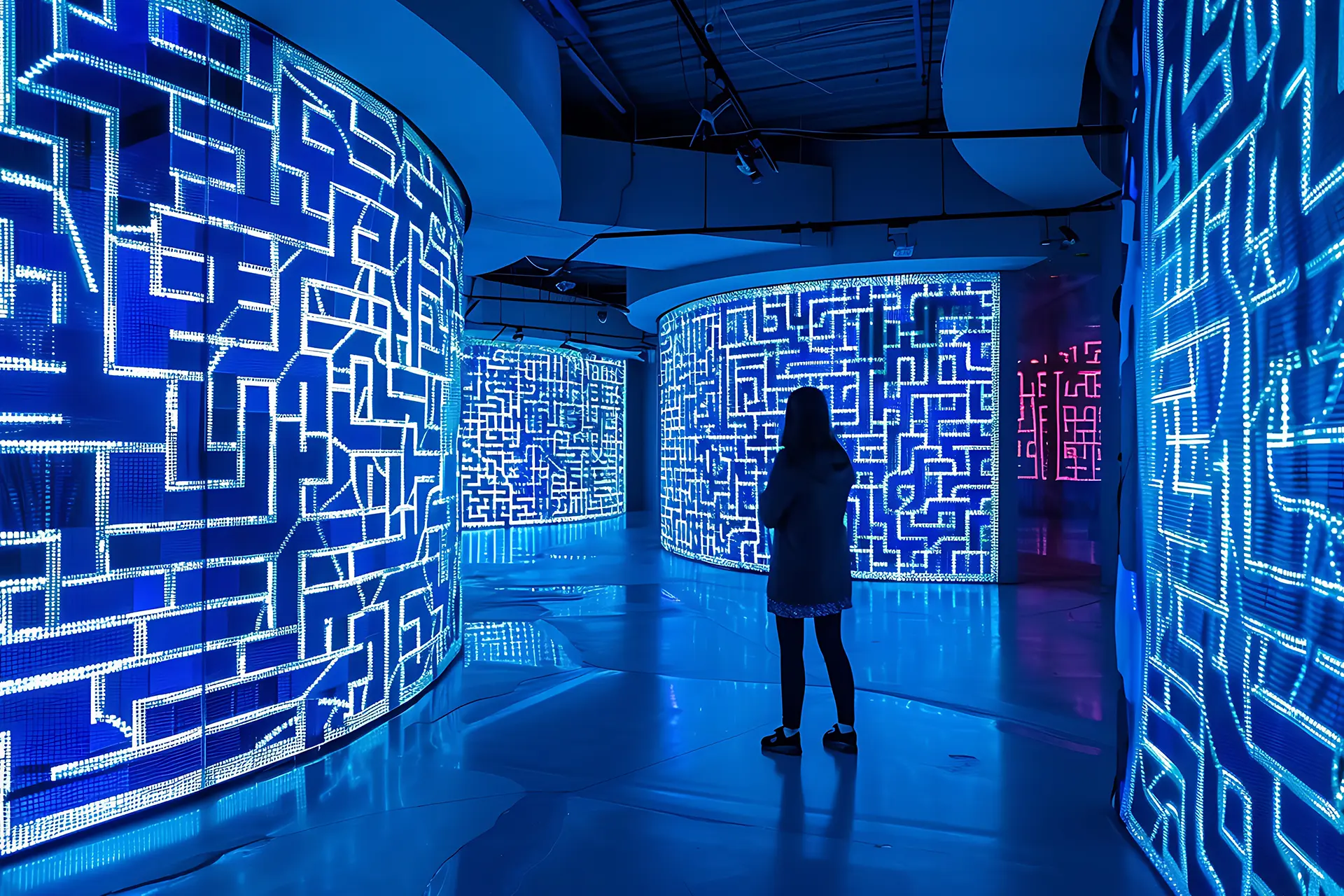
Today, as technology pervades nearly every aspect of our lives, this philosophy feels more urgent than ever. We live in a time where digital interfaces mediate our relationships, work, and leisure. Yet, despite unprecedented connectivity, many experiences feel impersonal and hollow. The brands and designers who stand out are those who understand that design’s ultimate goal is not efficiency - it’s empathy.
This DSGNJAVA explores the essence of Experience Design, tracing its foundations, evolution, and enduring relevance. It invites designers, strategists, and leaders to rethink their role not as creators of things, but as curators of experiences that shape human meaning.
What is Experience Design?
Experience Design is more than a discipline; it’s a philosophy of creation. It is about intentionally shaping every interaction, environment, or moment that a person has with a product, service, or system, so that it resonates emotionally and intellectually.
Experience Design is the “conscious design of experiences that create value through meaning.” Unlike traditional design, which often focuses on function or form, Experience Design is concerned with the quality of the experience, how it feels, unfolds, and lingers in memory.
The Core of Experience Design
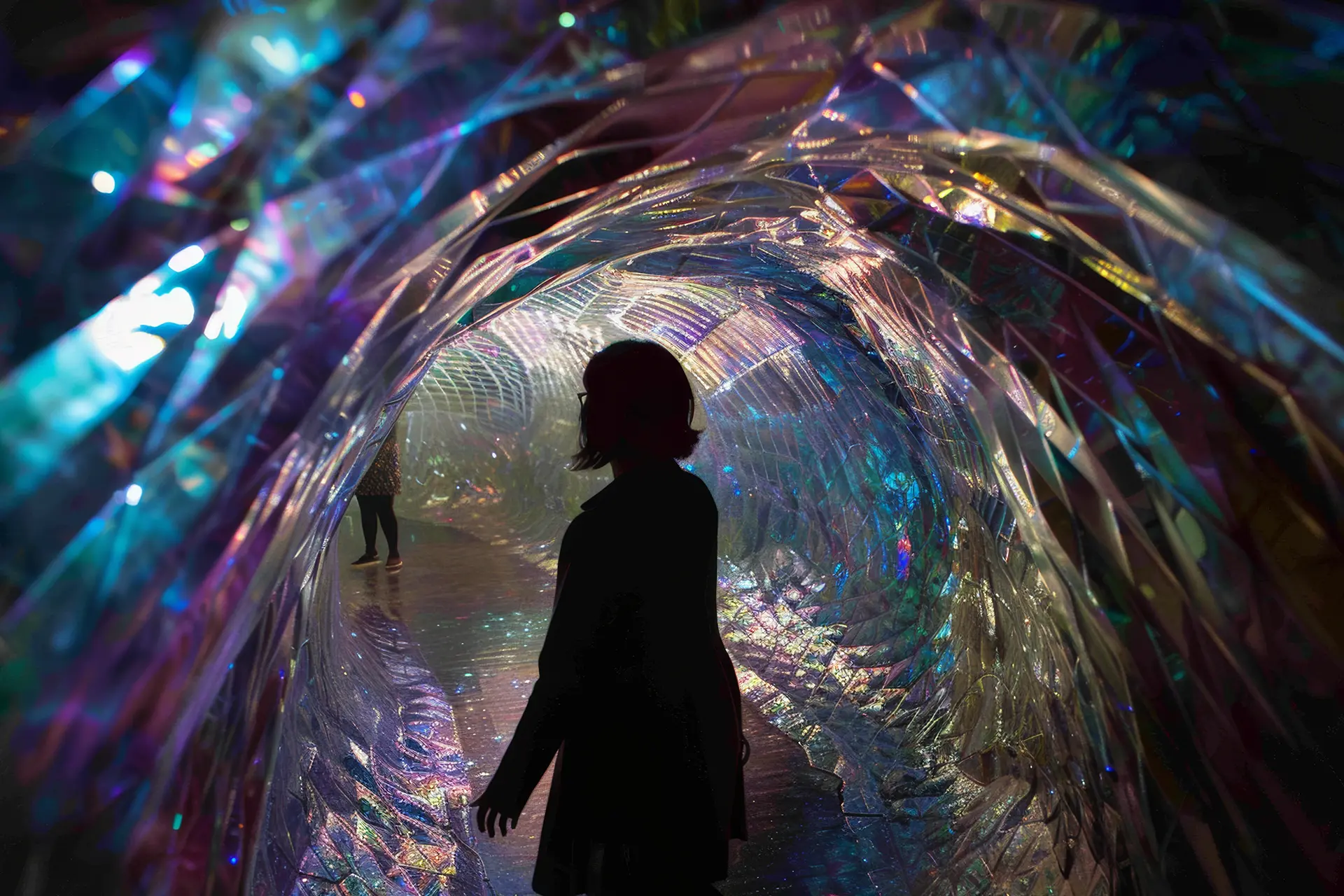
At the heart of Experience Design lies the understanding that people don’t just consume products, they live through experiences. Every touchpoint, from a website click to the packaging of a product to the way a brand speaks, contributes to this holistic experience.
The model is built on three interdependent elements:
- Content – The information, story, or substance of the experience.
- Context – The environment or situation in which the experience occurs.
- Interaction – The way the audience engages with the experience.
When these three work harmoniously – in a deliberated balance, they create experiences that are immersive, memorable, and meaningful.
For example, think about a visit to an Apple Store. The content is the product and its story, innovation, simplicity, creativity. The context is the clean, open, light-filled space that invites curiosity. The interaction is tactile and personal; you can touch, explore, and create. Together, they form a cohesive experience that transcends retail and becomes an emotional encounter with the brand.
Experience Design recognizes that people do not remember features; they remember feelings. The success of an experience is therefore not measured solely by efficiency or usability, but by resonance, emotional impact, and lasting significance. Crucially, experiences are not static. They unfold over time. They have:
- Beginnings (anticipation, expectation)
- Middles (engagement, immersion)
- Endings (reflection, memory)
Experience Design is concerned with shaping this entire arc, not merely optimizing isolated touchpoints.
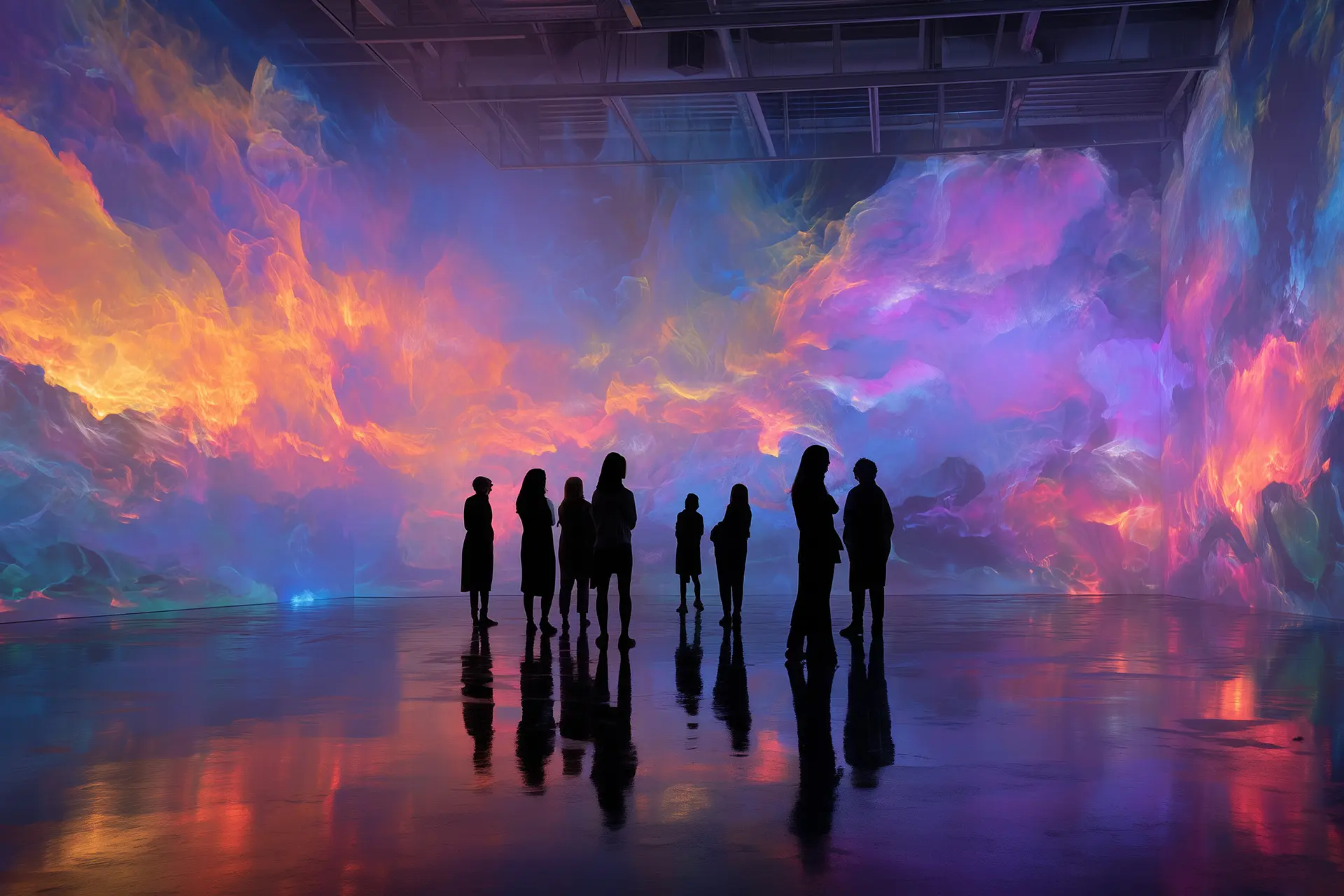
Experience vs. Usability
Many confuse Experience Design with usability or interface design. While usability ensures that something works well, Experience Design ensures that it feels right. Usability is necessary but not sufficient, it removes friction, but it doesn’t create a connection. Experience Design goes further, tapping into emotion, anticipation, and memory.
Experience happens across five dimensions, evolving from the simplest to the most complex:
- Information – Passive observation (reading or seeing)
- Interaction / The mind – Active engagement (understanding, clarity, clicking, touching, exploring).
- Sensation / The senses – multi-sensory immersion (sight, sound, touch, space).
- Relationship / The emotions – Emotional connection (trust, delight, belonging, empathy, loyalty).
- Performance / The self – Co-creation or participation (the user becomes part of the experience, identity, values, purpose).
The most powerful experiences move through these layers, transforming users from spectators into participants, and eventually into advocates.
Ultimately, Experience Design is not about creating control; it’s about curating possibilities. It is the design of an environment where people can find personal meaning and emotional resonance. In this way, it transcends industries and mediums; it’s as relevant to an app as it is to a museum, a hospital, or a festival. This holistic scope distinguishes Experience Design from usability, interaction design, or service design alone. Those disciplines may solve how something works; Experience Design addresses why it matters.
The Evolution from Product to Experience
The story of Experience Design is really the story of how human expectations have evolved.
The Age of Products
In the industrial era, value was defined by tangible goods. Success meant efficiency, scale, and affordability. Design’s role was largely aesthetic, to make products attractive and usable. The consumer’s relationship with brands was transactional: we bought things for what they did.
The Age of Services
As markets saturated and competition grew, companies realized that offering services around products, delivery, customization, after-sales, added value. The focus shifted from ownership to access. However, this phase was still largely functional. Companies improved processes but didn’t deeply consider the emotional dimension of engagement.
The Age of Experiences
Then came a turning point, popularized by Pine & Gilmore’s The Experience Economy (1999) and deepened by thinkers like Shedroff. In this new paradigm, experience itself became the product. We are all aware of brands like Starbucks – they don’t just sell coffee, they sell the ambiance, music, and ritual. Disney doesn’t sell rides; it sells imagination and nostalgia. Airbnb doesn’t sell rooms, it sells belonging.
People now crave emotional engagement and personal meaning. They are no longer satisfied with functional benefits; they want to feel connected, inspired, and understood. In other words, value has shifted from material utility to experiential significance.

The Meaning Economy
There is an inherent need for humans to find meaning in everything they do or experience. Somewhere in the mid-2000s, we started becoming more aware of this and have started seeking meaning actively since then. This evolution is what has been referred to as the “meaning economy.” The highest form of value a designer can create is meaning, the personal sense of fulfillment, understanding, or identity that an experience provides.
For instance, when a sustainable brand lets customers track the impact of their purchase, it’s not just selling a product, it’s offering participation in a shared purpose. This is meaningful design.
Thus, the evolution from product → service → experience → meaning marks a profound shift:
- From what we make to how people feel about it.
- From features to stories.
- From transactions to transformations.
Designers who understand this shift see their work not as decoration but as orchestration, crafting emotional journeys that make people’s lives richer, not just easier.

Why Experience Design Matters More Today
In a world saturated with design, differentiation no longer comes from form, it comes from feeling. This is where ideas around Experience Design regain extraordinary relevance.
Experience is a process, not an artifact. Today, when nearly every product competes for attention in digital spaces, this perspective helps designers focus on what truly matters: the human journey before, during, and after interaction.
Relevance in the Digital Age
The digital world has democratized creation but also diluted meaning. Algorithms optimize for clicks and revenue, not emotions; speed often replaces substance. The start-up culture of the past few years has shifted focus from designing experiences to generating large amounts of revenue, that too within a short period of time, in the tiring chase for valuation. There is a clear and visible shift away from designing for trust, credibility, & brand loyalty and towards quick revenue surrounded by pitfalls. The principles of Experience Design provide a compass to navigate this challenging world of building business, reminding us that design should serve understanding, connection, and meaning, not just metrics.
The call to design with intention, to consciously orchestrate emotional and sensory cues, aligns perfectly with modern UX, service design, and brand strategy. In fact, many contemporary frameworks (like experience mapping and journey design) trace their lineage back to his thinking.
Experience as Strategy
The ideas around experience design also resonate at a strategic level. Today’s leading organizations, Apple, Airbnb, Nike, and Patagonia, all operate as experience ecosystems. Their products, environments, and communications are unified by a central emotional narrative. This approach transforms customers into communities and consumption into participation.
In a time where AI, automation, and digital saturation threaten to make human interactions mechanical, this approach restores empathy, storytelling, and sensory engagement as the core of innovation. It reminds us – individuals from different walks of life – business-person, working professionals, parents, teachers, professors – everyone - that technology should amplify human meaning, not replace it.
A Framework for the Future
Experience Design is not a trend; it’s the foundation for the next era of value creation. It challenges us to:
- Design for emotion, not just efficiency.
- Seek meaning, not just engagement. [There is engagement when there is relevance, which implies there is meaning]
- Build relationships, not just transactions.
In short, his approach reminds us that good design solves problems, but great design creates meaning.
The importance of Experience Design today is not driven by trends, technology, or competition alone. It is driven by a deeper human need, the need for connection, clarity, and meaning in an increasingly fragmented world.
Design does not only shapes objects. Design shapes experiences. Experiences shape meaning. And meaning shapes lives.